Practical Strategies for Custom Packaging in Cosmetic, Food, and Supplement Brands
Packaging is more than just a container—it is a key touchpoint for brand perception, consumer trust, and product differentiation. Yet, for many brands, packaging accounts for 30–50% of total product cost, and reducing this cost seems to risk brand prestige or perceived quality.
The good news: with the right strategy, brands can reduce packaging cost while maintaining or even enhancing brand value.
In this article, we provide a step-by-step guide for cost optimization, from material selection to structural design, printing technology, and supply chain strategies.
Table of Contents
Why Packaging Cost Optimization Matters
Understanding the Balance Between Cost and Brand Value
Material Selection Strategies
Structural & Engineering Optimization
Printing & Decoration Techniques for Cost Efficiency
Leveraging Standardization Without Losing Uniqueness
Supplier & Production Strategies to Reduce Cost
Sustainable Packaging as a Cost-Saving Strategy
How a One-Stop Packaging Partner Helps Brands Optimize Cost
Action Plan & Next Steps
1. Why Packaging Cost Optimization Matters
High packaging cost can impact:
Profit margins: Reducing cost by 10–20% per unit scales across thousands of units.
Pricing strategy: Lower cost allows competitive retail pricing.
Startup feasibility: Smaller brands can launch with limited budgets.
Scalability: Efficient packaging supports multiple SKUs or seasonal variations.
At the same time, cutting corners in materials, finishing, or design can diminish brand perception, negatively affecting sales.
The challenge is maximizing efficiency while maintaining premium quality and brand identity.
2. Understanding the Balance Between Cost and Brand Value
Brand value is influenced by:
Material quality and finish
Structural integrity and usability
Visual appeal and decoration
Packaging consistency across SKUs
Reducing cost does not mean using cheap materials—it means making intelligent design and supply chain choices.
3. Material Selection Strategies
Materials often account for 40–60% of the packaging cost. Smart selection can reduce costs without sacrificing quality.
Paper Boxes
Use FSC-certified or recyclable cardboard with optimal thickness
Consider Kraft paper or SBS board for cost-effective yet premium feel
Avoid overly thick boards where unnecessary
Labels
Paper labels for dry products
Vinyl or PET for wet environments
Use removable adhesives for flexibility
Flexible Packaging / Pouches
Mono-material pouches reduce material cost and improve recyclability
High-barrier films protect product while being lightweight
Using the right material ensures quality perception while avoiding excess cost.
4. Structural & Engineering Optimization
Packaging structure heavily affects cost:
Reduce waste through optimized die-cut layout
Use modular designs to allow multiple SKUs to share one template
Avoid over-engineered internal trays unless necessary
Ensure stability and protection while using minimal material
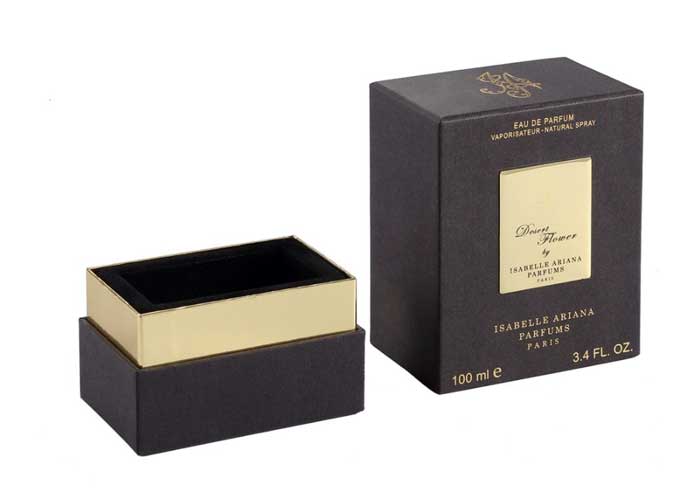
Example: A drawer-style cosmetic box can maintain premium feel with 50% less cardboard by optimizing inner tray geometry.
5. Printing & Decoration Techniques for Cost Efficiency
Printing and decoration are key cost drivers:
Digital printing: Lower MOQ, ideal for startups or seasonal SKUs
Offset printing: Efficient for large batches, high setup cost
Selective finishing: Spot UV, embossing, hot stamping only on logo or highlights
Minimalist design: Fewer colors reduce ink and plate costs
Combining high-impact visual elements with minimalist printing can maintain brand prestige while reducing cost.
6. Leveraging Standardization Without Losing Uniqueness
Use standard box sizes or shared molds across multiple SKUs
Customize surface finishing, labels, or inserts for differentiation
Standardization reduces tooling cost, setup time, and material waste
This strategy allows low-cost production with distinctive branding elements.
7. Supplier & Production Strategies to Reduce Cost
Consolidate suppliers: One partner for boxes + labels reduces logistics costs
Negotiate MOQ intelligently: Smaller batches with digital printing for testing, then scale up
Factory selection: Choose a supplier with integrated printing, cutting, and finishing
Transparent costing: Avoid hidden fees like plate fees, die charges, or shipping surcharges
Your packaging supplier should be a cost-optimization partner, not just a vendor.
8. Sustainable Packaging as a Cost-Saving Strategy
Eco-friendly choices can reduce both material cost and appeal to conscious consumers:
Recyclable materials can replace composite laminates
Lightweight boxes reduce shipping cost
Mono-material pouches simplify production
FSC-certified paper adds marketing value while being cost-effective
Sustainability is both a brand differentiator and a cost-saving approach.
9. How a One-Stop Packaging Partner Helps Brands Optimize Cost
Working with an integrated packaging partner like Anitarpak allows brands to:
Combine boxes, labels, pouches, and printing in one factory
Access low MOQ sampling and fast prototyping
Optimize structural, material, and finishing decisions
Maintain high quality and brand consistency
Cost reduction is achievable without compromising quality when design, material, and production are engineered together.
10. Action Plan & Next Steps
Brands looking to reduce packaging cost should:
Audit current packaging cost by material, printing, and structure
Identify high-cost areas with minimal brand impact
Explore digital printing or modular design options
Partner with a supplier offering low MOQ, integrated production, and compliance support
Test sample batches before committing to full production
Call to Action:
Request a cost optimization consultation
Get free paper box & label samples
Talk to a packaging engineer for a custom solution
Sample Request
Please send us your design drawings to start the sample process
Learn More From
Get a Free Sample Quote
1.Your company type
2.What industry products are your packaging materials used in?
3.Confirm the material, color, printing, logo, surface treatment, insert structure & quantity
4.What is your expected delivery time
5.Please provide us with your company name, phone number, and email address
6.Our cooperation process:Sample → Production → Delivery
👉 For standard models: 1,000–3,000 pcs.
For full customization: depends on mold design and color requirements.
✅ Yes! We support low MOQ and mixed-model orders for new brands.
⏱ Regular orders: 3-7 days after confirmation.
Custom molds or decoration: 30–40 days.
🎨 Yes. Our in-house design team can help with artwork, label layout, and print files.
🧴 All materials are FDA, EU, or ISO compliant and BPA-free.